
Every year, millions of tonnes of packaging waste are generated, with figures steadily rising. In 2018 alone, 174 kg of packaging waste was generated per person in Europe.



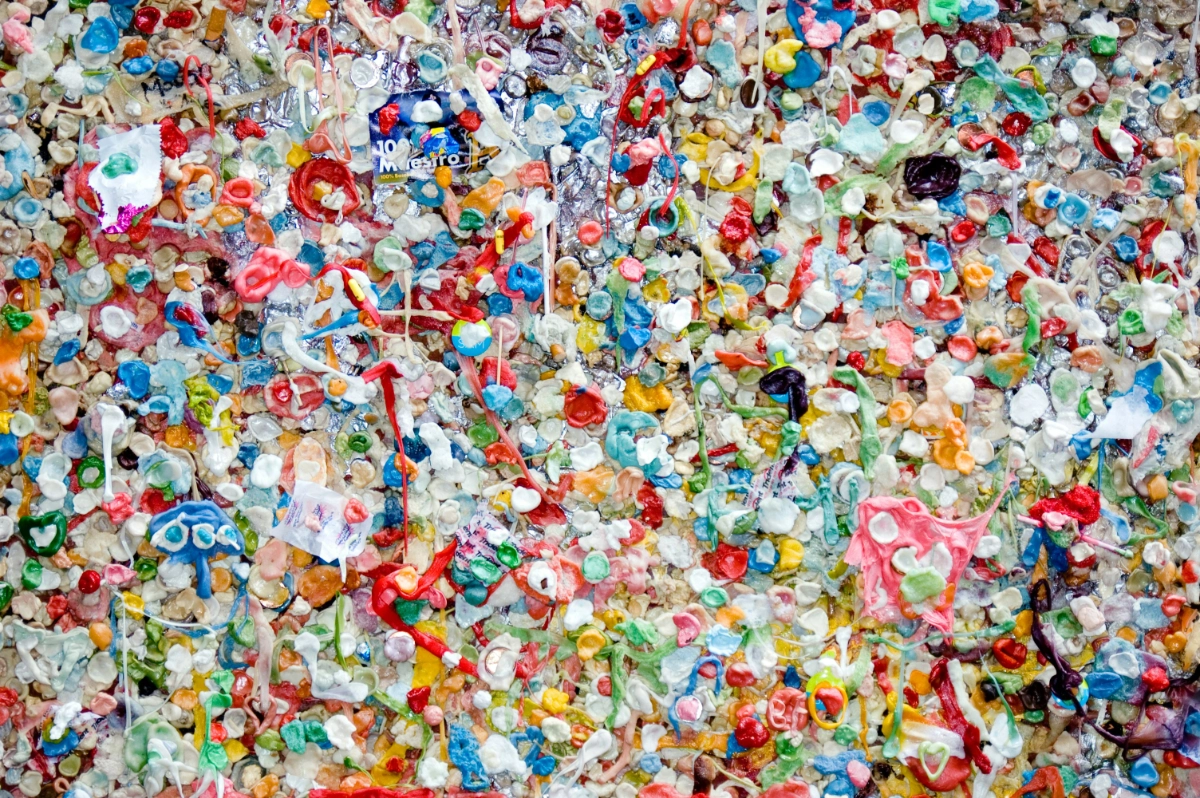
Every year, millions of tonnes of packaging waste are generated, with figures steadily rising. In 2018 alone, 174 kg of packaging waste was generated per person in Europe. The most recent data from 2019 reveals that paper and cardboard made up the largest share at 32.2 million tonnes, followed by plastic at 15.4 million tonnes and glass at 15.2 million tonnes. This trend demonstrates that packaging waste is a growing issue that demands urgent action.
Most packaging is designed for single use, meaning it is discarded after just one interaction with a consumer. This not only leads to excessive resource extraction but also increases waste generation at an unsustainable rate. The impacts of this crisis extend far beyond waste management—affecting climate, biodiversity and public health globally. The good news is that there is a viable alternative: reuse systems. By shifting towards reuse models, we can mitigate these harmful effects while fostering a more sustainable and equitable economy.
The consequences of single-use packaging are far-reaching, touching various aspects of our environment and society. The production, transportation, and disposal of single-use packaging contribute significantly to greenhouse gas emissions. Extracting raw materials, processing them into packaging, and transporting them across the globe requires vast amounts of energy, much of which comes from fossil fuels. Plastic packaging, in particular, is made from petrochemicals and is responsible for significant carbon emissions throughout its lifecycle.
Single-use packaging, especially plastic, is a major source of pollution in ecosystems. Plastic debris endangers wildlife through entanglement and ingestion, leading to fatalities among birds, fish, and mammals. Furthermore, packaging waste contaminates natural habitats, disrupting food chains and ecosystem balance. Single-use paper packaging also plays a significant role in deforestation, destroying crucial forest ecosystems that act as carbon sinks and habitats for wildlife.
While plastic pollution has garnered widespread attention, the environmental cost of single-use paper and cardboard packaging cannot be ignored. The demand for paper packaging contributes to deforestation, biodiversity loss, and soil degradation. Forests play a crucial role in mitigating climate change by absorbing carbon dioxide, but large-scale logging for paper packaging disrupts this natural balance. Addressing the packaging crisis requires a holistic approach that targets both plastic pollution and the overuse of paper-based packaging.
The chemicals used in packaging materials can pose serious health risks. Many plastic packaging items contain endocrine-disrupting chemicals (EDCs) such as phthalates and bisphenols, which can leach into food and beverages. Prolonged exposure to these substances has been linked to various health concerns, including reproductive disorders and cancer. In addition, microplastics from packaging waste have infiltrated our food, water, and air, with unknown long-term effects on human health.
The burden of dealing with single-use packaging waste disproportionately falls on communities in the Global South. Wealthier nations frequently export their waste to lower-income countries, where inadequate infrastructure leads to open dumping and incineration, exacerbating pollution and health risks for local populations.
A transition to reuse systems is critical for addressing the mounting crisis of packaging waste. Unlike single-use models, reuse systems prioritize the continuous use of durable packaging, reducing the need for virgin materials and minimizing waste production. The benefits of reuse extend across multiple sectors.
They provide an opportunity for consumers to make environmentally responsible choices without sacrificing convenience, hygiene, or safety. Well-designed reusable packaging can offer a superior experience while ensuring a significantly lower environmental footprint. Additionally, packaging in contact with food should be free from harmful chemicals, ensuring consumer safety.
They can create opportunities for innovation and economic growth. Companies can reduce costs associated with packaging production and waste disposal while offering sustainable solutions that attract environmentally conscious consumers. Moreover, implementing reuse models can enhance brand reputation and customer loyalty.
Regulations that support reuse systems, such as bans on certain single-use items and incentives for reusable alternatives, can drive systemic change. The European Union has taken a significant step in this direction with the proposed Packaging and Packaging Waste Regulation (PPWR). The PPWR aims to reduce packaging waste, improve recyclability, and promote reusable packaging systems across EU member states. By setting clear targets and requirements for packaging sustainability, the regulation seeks to accelerate the transition toward circular economy principles and waste reduction. However, it is crucial that policies address not just plastic waste but also the reduction of single-use paper packaging to prevent further deforestation and habitat destruction.
Reuse systems operate on a fundamental principle: keeping packaging in circulation for as long as possible. These systems come in various forms, including:
By implementing these systems on a large scale, reuse can drastically reduce waste, lower carbon emissions, and lessen our dependence on raw materials.
The shift toward reuse systems is not just a European issue—it is a global necessity. Countries around the world are grappling with the consequences of packaging waste, and many are beginning to adopt policies that encourage reuse. Additionally, international frameworks such as the Global Plastic Treaty present opportunities for coordinated action on packaging waste reduction.
Beyond policy measures, reuse systems must be designed with inclusivity and accessibility in mind. Low-income communities, informal waste workers, and marginalized groups must be included in the transition to ensure that reuse solutions are equitable and beneficial for all. An intersectional approach that considers economic, social, and environmental factors is crucial for building a just and sustainable reuse economy.
We cannot escape plastic pollution, nor can we recycle our way out of this crisis. However, addressing this crisis requires moving beyond just reducing plastic waste—we must also confront the overuse of single-use paper packaging, which contributes to deforestation and resource depletion. The only viable path forward is a transition to reuse systems that prioritize resource efficiency, reduce pollution, and promote fairness. By embracing reuse, we can move toward a future where packaging waste is no longer an inevitability but a problem of the past.

Lorem Ipsum dolor sit amet, consectetur adipiscing elit. Nunc vulputate libero et velit interdum, ac aliquet odio mattis.
Lorem Ipsum dolor sit amet, consectetur adipiscing elit. Nunc vulputate libero et velit interdum, ac aliquet odio mattis.
Lorem Ipsum dolor sit amet, consectetur adipiscing elit. Nunc vulputate libero et velit interdum, ac aliquet odio mattis.


Reusing garments is a central part of making textiles circular. However, like with most other waste streams, circularity comes with a complication attached: it is virtually impossible to make the circular economy work without reducing the volume of new products going on sale.
Sign up for the #WeChooseReuse newsletter and stay up-to-date with the latest reuse news from Europe and beyond.
No spam, ever. Unsubscribe any time.